
How a Properly Built Wall Helps Move Water Away From Your Property
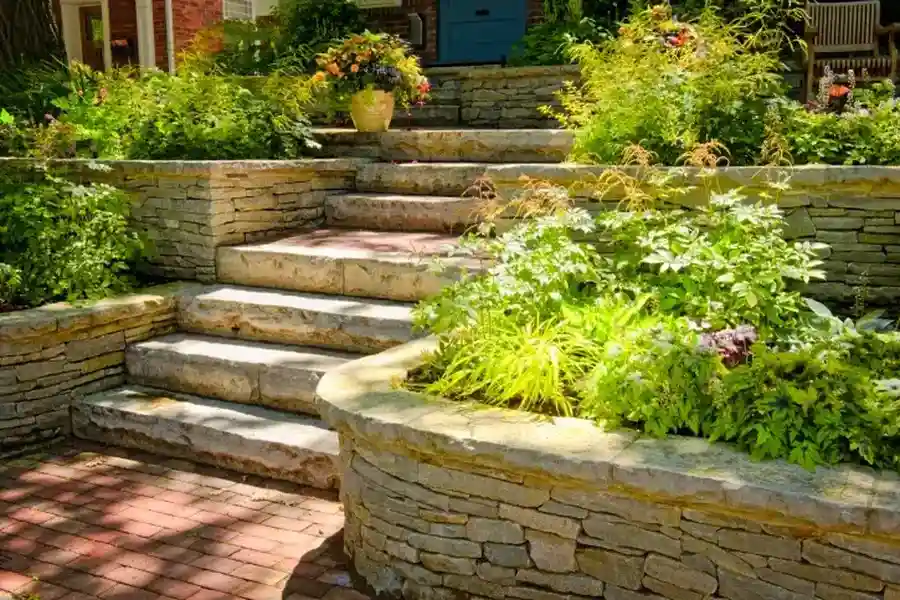
Retaining wall installation helps control water by holding back soil and guiding runoff away from your home or yard. When built with the right slope and drainage system, a retaining wall can stop pooling water, reduce erosion, and protect your foundation. In areas with heavy rain or sloped lots, it plays a big role in keeping landscaping and structures safe.
What You Need Before Starting
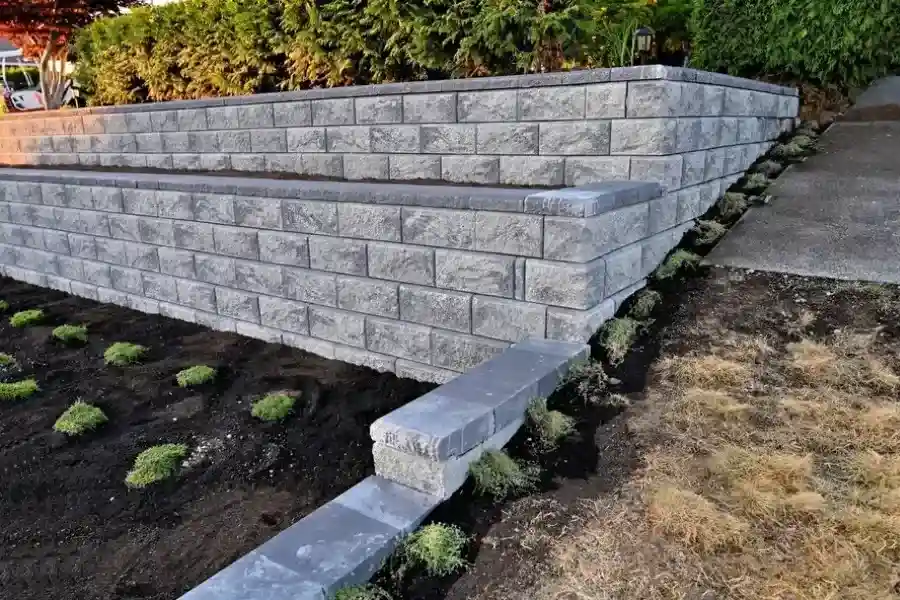
Before starting a retaining wall installation, you need a clear plan. Drainage control is not just about stacking blocks. It requires the right materials and a solid base.
Here is what you should have in place:
- A clear layout of where water currently flows
- Proper wall materials such as concrete blocks, stone, or timber
- Gravel for backfill
- A perforated drain pipe
- Filter fabric to keep soil from clogging the drain
- Basic tools for digging and leveling
You may also need permits depending on wall height and local building codes. Planning ahead saves time and money later.
Step-by-Step Process for Better Drainage
A well-built wall controls both soil and water. Follow these basic steps for better results.
- Excavate the area. Dig a trench deep enough for a solid base. The trench should be level and compacted.
- Create a strong base. Add crushed stone and compact it firmly. This supports the wall and helps with drainage.
- Install the first row carefully. The bottom row must be level. Everything else builds on this layer.
- Add drainage pipe. Place a perforated drain pipe behind the wall at the base. This carries water away.
- Backfill with gravel. Add clean gravel behind the wall to help water flow down to the pipe.
- Use filter fabric. Cover gravel with fabric to stop soil from washing into the drain system.
- Finish grading. Slope the soil slightly away from the wall so water moves away naturally.
Each of these steps supports long-term drainage control. Skipping one can lead to water pressure building up behind the wall.
Common Mistakes to Avoid
Many drainage problems come from simple errors during construction.
- Not installing a drain pipe behind the wall
- Using clay soil instead of gravel for backfill
- Building the wall on soft or uneven ground
- Forgetting to slope the ground away from the structure
- Making the wall too tall without extra reinforcement
Water is heavy. When it collects behind a wall, it creates pressure that can cause bulging or cracking. Proper retaining wall installation always includes a way for water to escape.
When to Call a Professional
Small garden walls may be manageable for experienced DIY homeowners. Larger projects often need expert help. If your wall is over four feet tall, supports a driveway, or sits close to a foundation, professional work is a safer choice.
Homes built on steep slopes or areas with heavy rainfall also benefit from expert planning. A trained crew can design a system that connects the wall drainage to other landscaping features. This might include French drains, channel drains, or other outdoor improvements tied to proper .
Professional wall builders also understand soil types. Sandy soil drains quickly, while clay holds water. The design must match the conditions on your property.
Extra Tips for Long-Term Results
After installation, regular checks help extend the life of your wall.
- Clear debris from drainage outlets
- Check for standing water after storms
- Look for cracked or shifting blocks
- Watch for soil erosion near the top of the wall
Small adjustments early can prevent larger repairs later. Good drainage keeps both the wall and surrounding landscape stable.
Get Expert Help for Reliable Drainage
If you are dealing with water runoff or soil erosion in Harrison, MI, our team is ready to help. At Walters' Lawn Care and Landscaping, LLC, we design retaining wall installation solutions that manage water properly and protect your property for years to come. Call us at (989) 206-4266 to schedule a consultation and let us build a system that works for your landscape.